We are back on the coast!
Honfleur and Houlgate are two towns that are like chalk and cheese. Honfleur has a history that dates back to before Bill the Conqueror was a lad and Houlgate is a very smart, late 19th C holiday resort. However they are both united in a love of disruptive roadworks and that heart dropping sign, ‘Route Barrée’.
We had the devil of a job to find the way in to Honfleur campsite. The town is in the middle of major roadworks and they haven’t told Google or Garmin. We ended up going down some very tight streets and breathing in very hard and then going around again. Not good for Wendy’s first drive this trip!
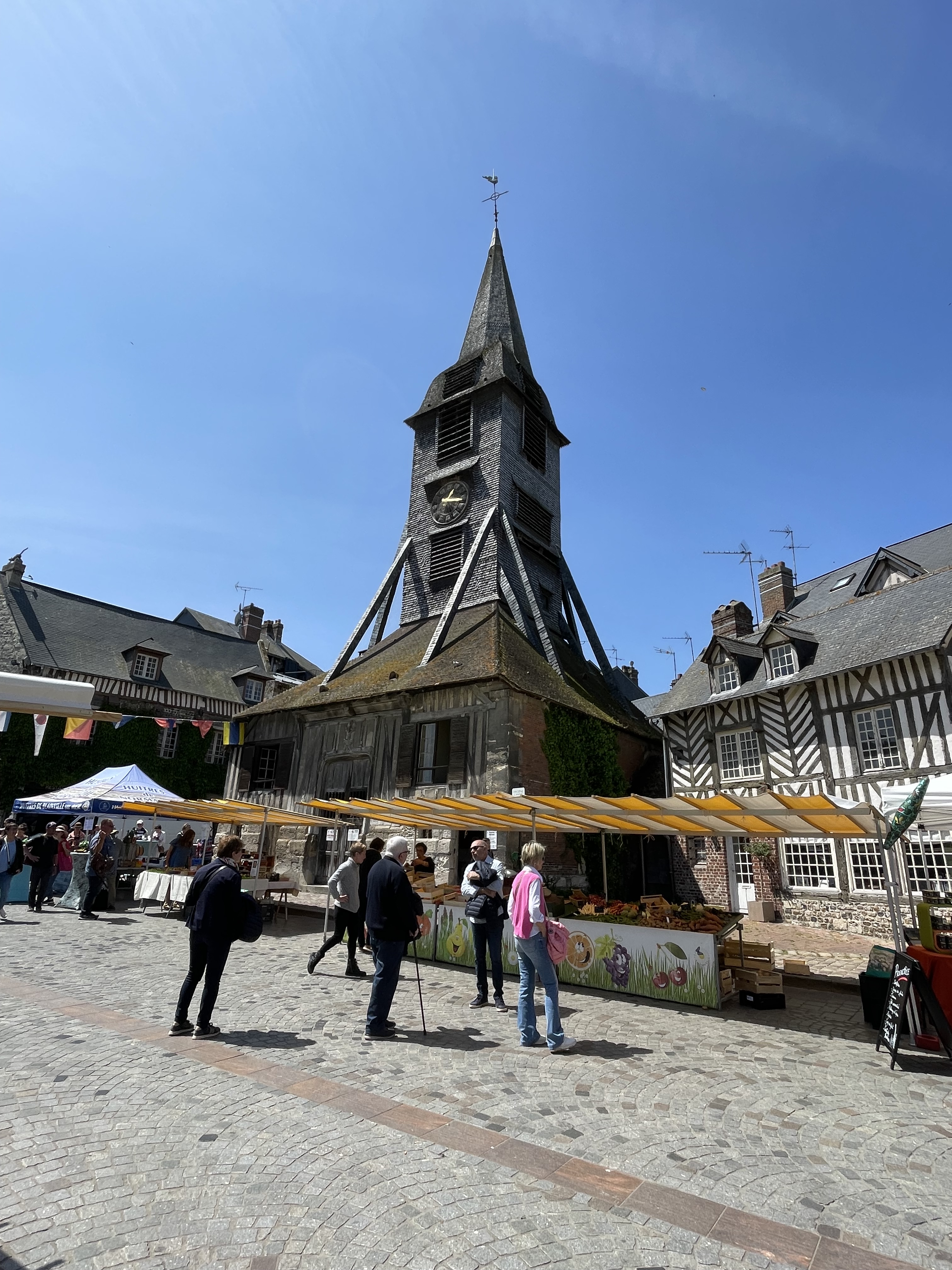
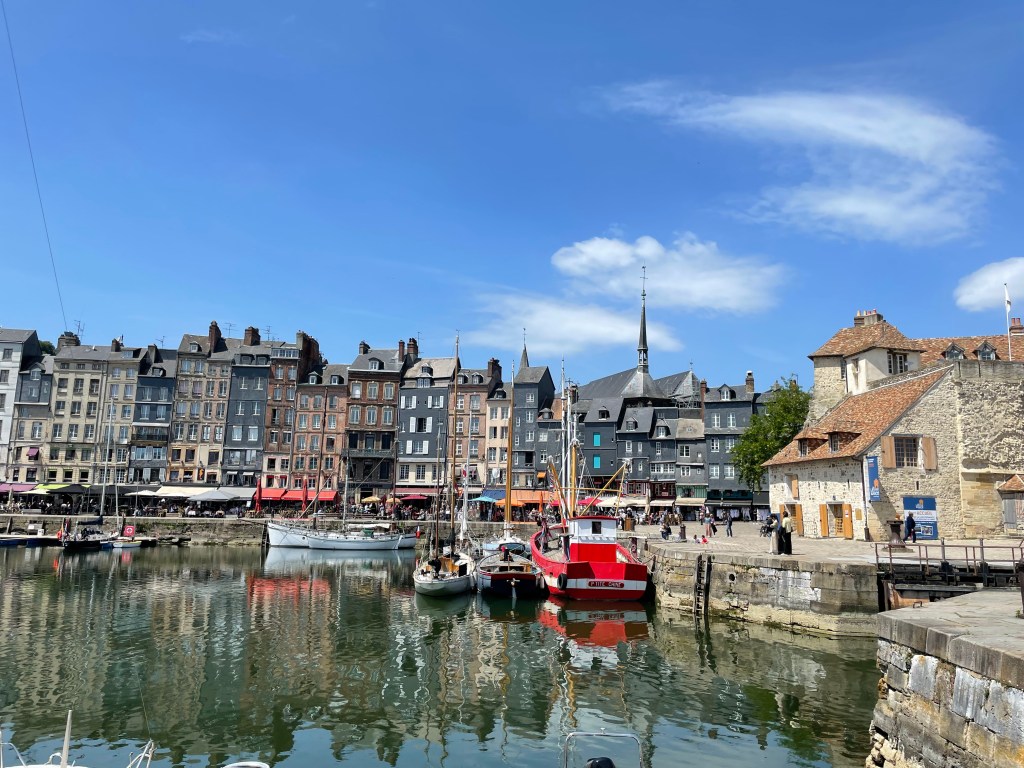
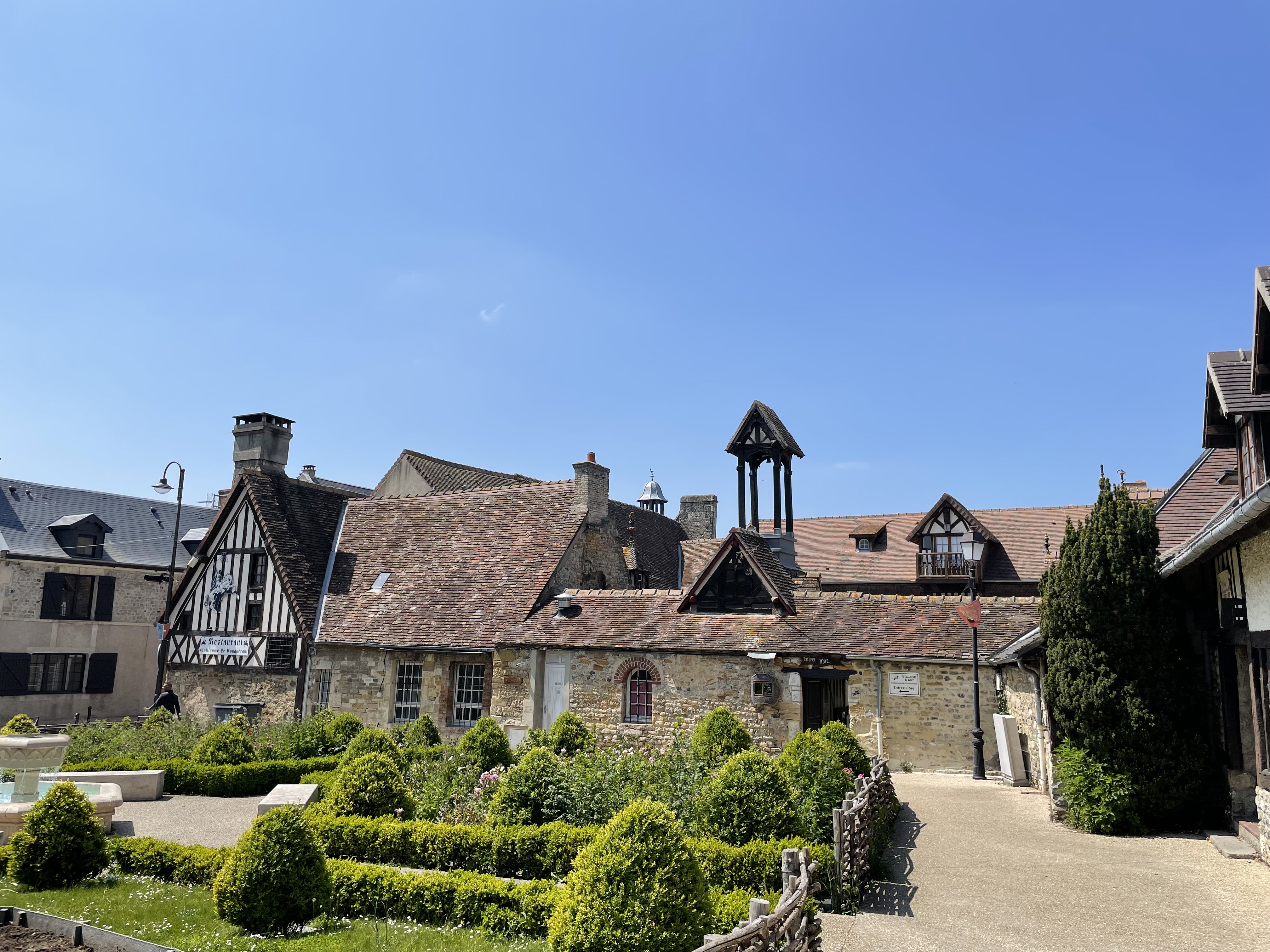
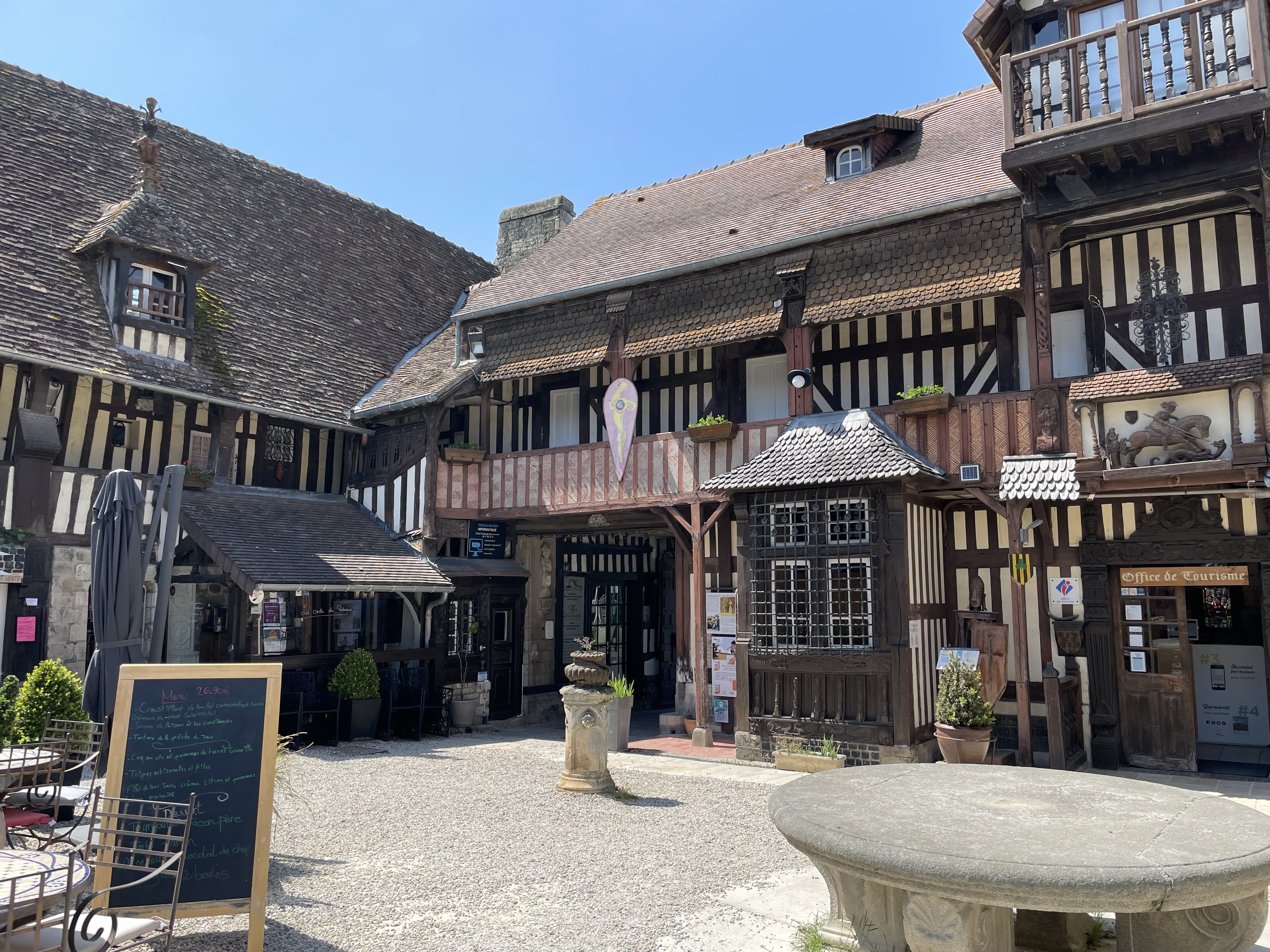
Honfleur is a post card pretty little town, especially around the Vieux Bassin, the old harbour. Jam packed with tiny streets full of 15th, 16th and 17th C buildings. One of the few totally wooden churches in Western Europe. After the end of the 100 years war, the town wanted to rebuild the church to give thanks for their liberation from the English. As all the stone masons were busy on rebuilding projects all across NW France there were none available, so the town called on their famous ‘Axemasters’ to build them one out of wood. Unfortunately today it was covered in metal scaffolding.
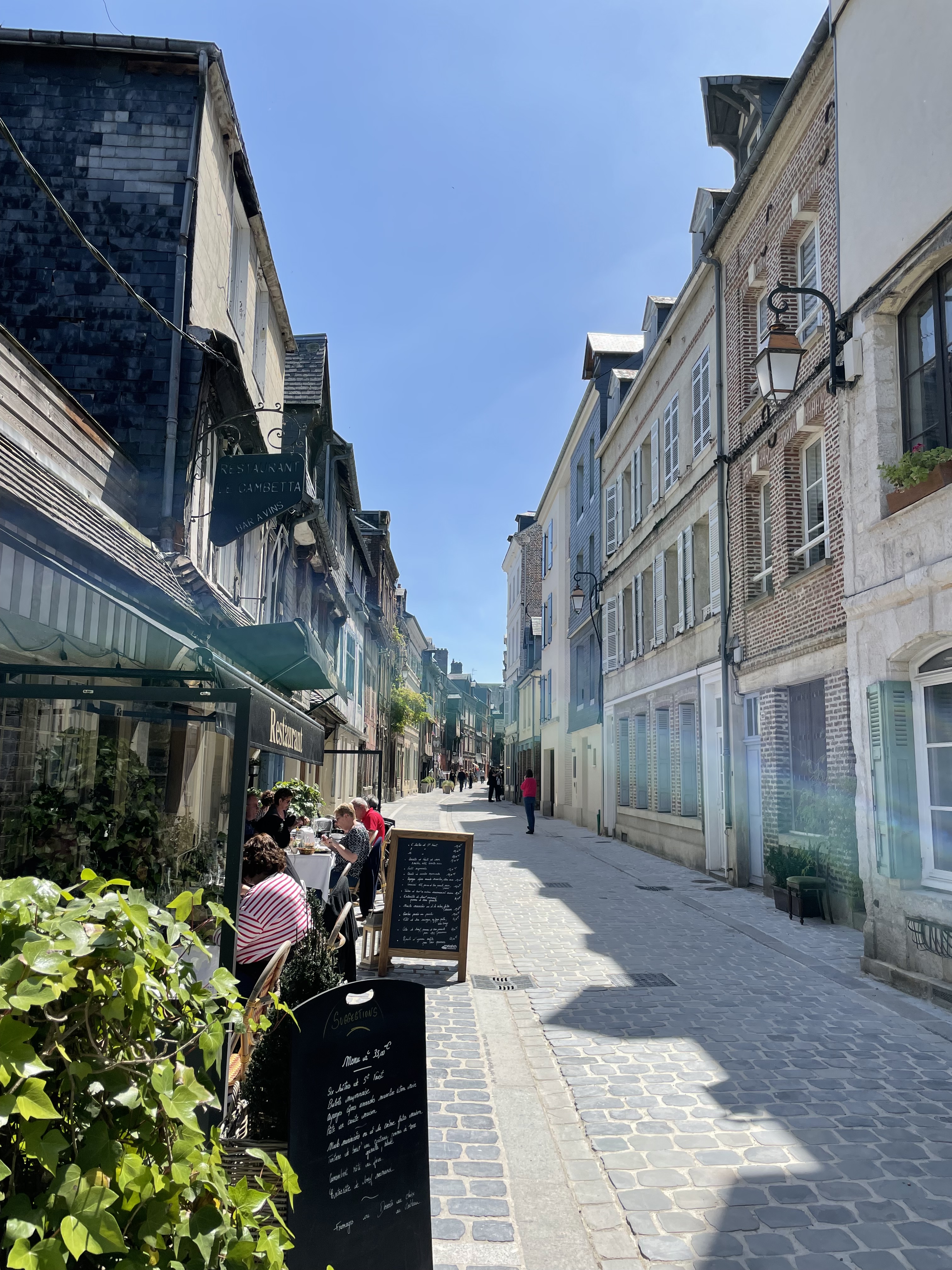
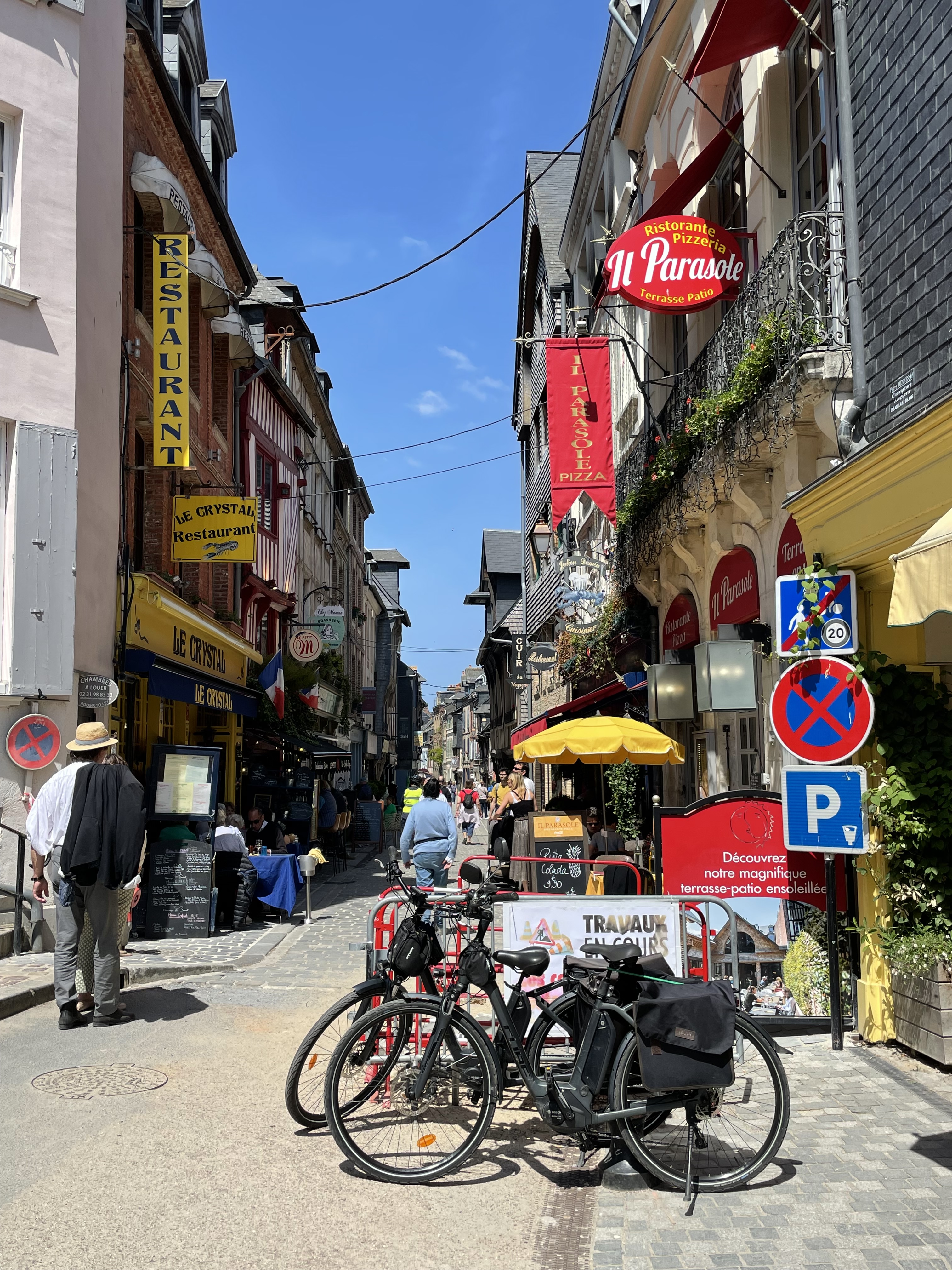
Honfleur cod fishermen, chased the fish across the Atlantic to Newfoundland. In 1608 Samuel de Champlain sailed from Honfleur on the orders of Louis XIV to found Quebec. Canada then rapidly became a Norman settlement with 4000 farmers, hunters, fur trappers and fishermen. In 1665 the settlers asked for aid against the increasing attacks by the Iroquois Indians (who were understandably upset by the French invasion). Accompanying the soldiers were 800 women, known as the ‘filles du roi’ (King’s daughters) and the king decreed that each settler must marry one of them within a fortnight of her arrival. Apparently, the queen helped in the selection of the young women, who were mainly widows or orphans, ensuring they were “not ugly… not repulsive… healthy and strong enough for working on the land”.
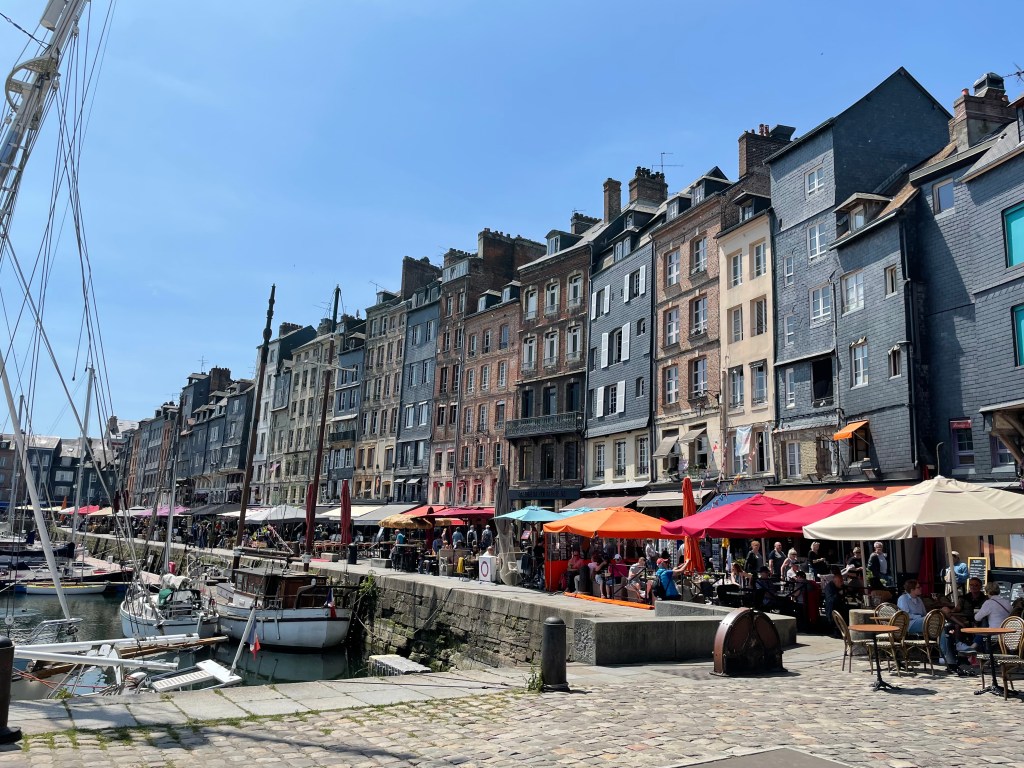
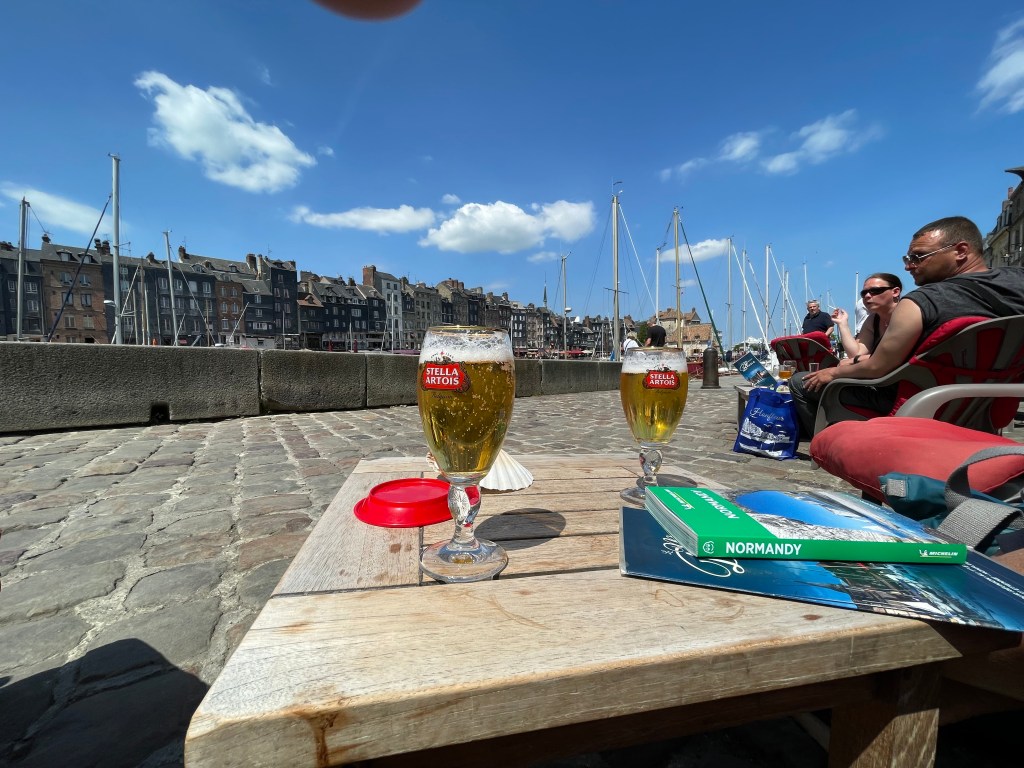
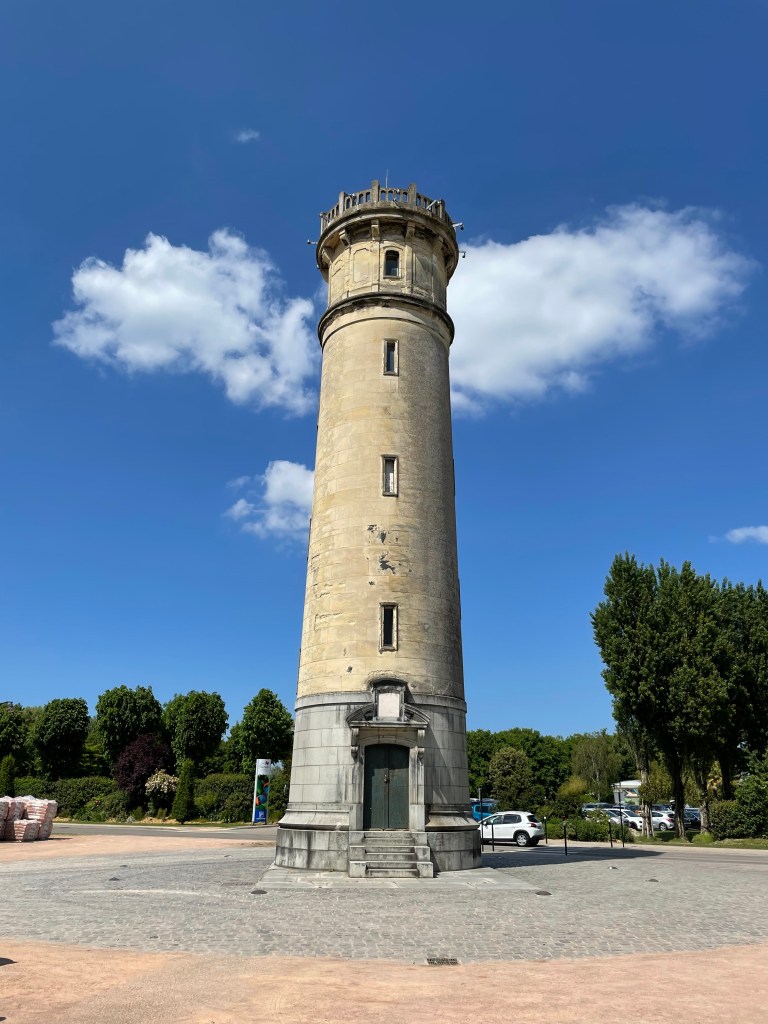
The campsite, though hard to find, was poor. In fact it rates alongside Fécamp as our two worst sites. Our neighbour told us that the night before a young couple had their bikes stolen from outside their tent as they slept. There was nowhere suitable for walking the dog (in the last couple of years Honfleur has closed their magnificent beach to dogs completely) so we went down to the far (boggy) end of the campsite and he chased a few balls, before we walked back into town for an excellent sea food dinner at a little restaurant with a a very friendly and enthusiastic manager who made a great fuss of Bryn and told us that he had a Golden Retriever (for those of you new to this load of waffle; almost every waiter we met on our trip with Andy and Lesley and their Retriever, Enzo, to Dubrovnik last year said that they too had a retriever at home!)
Driving to Houlgate was just as eventful as our trip to Honfleur. Thanks to more extensive town centre road works, the infamous ‘route barrée’, and the irrationality of our sat nav, it took us down some ridiculous streets which led to the journey taking 50 mins longer than it should have.
We discovered Houlgate by luck six years ago, on our way to Roscoff to begin the ride to Spain. It’s a lovely town (when it is free of roadworks), with great dog friendly beaches; so it was good to be back. In the meantime, the campsite has been taken over by a new company who have put a lot of money into upgrading the facilities. It now has three large pools and loads of slides. The bar and restaurant are just as good though you can no longer take dogs inside. A good thing the weather is still great so we can enjoy a carafe of rosé on the terrace. (I think I might start calling our patio at home the terrace from now on?)
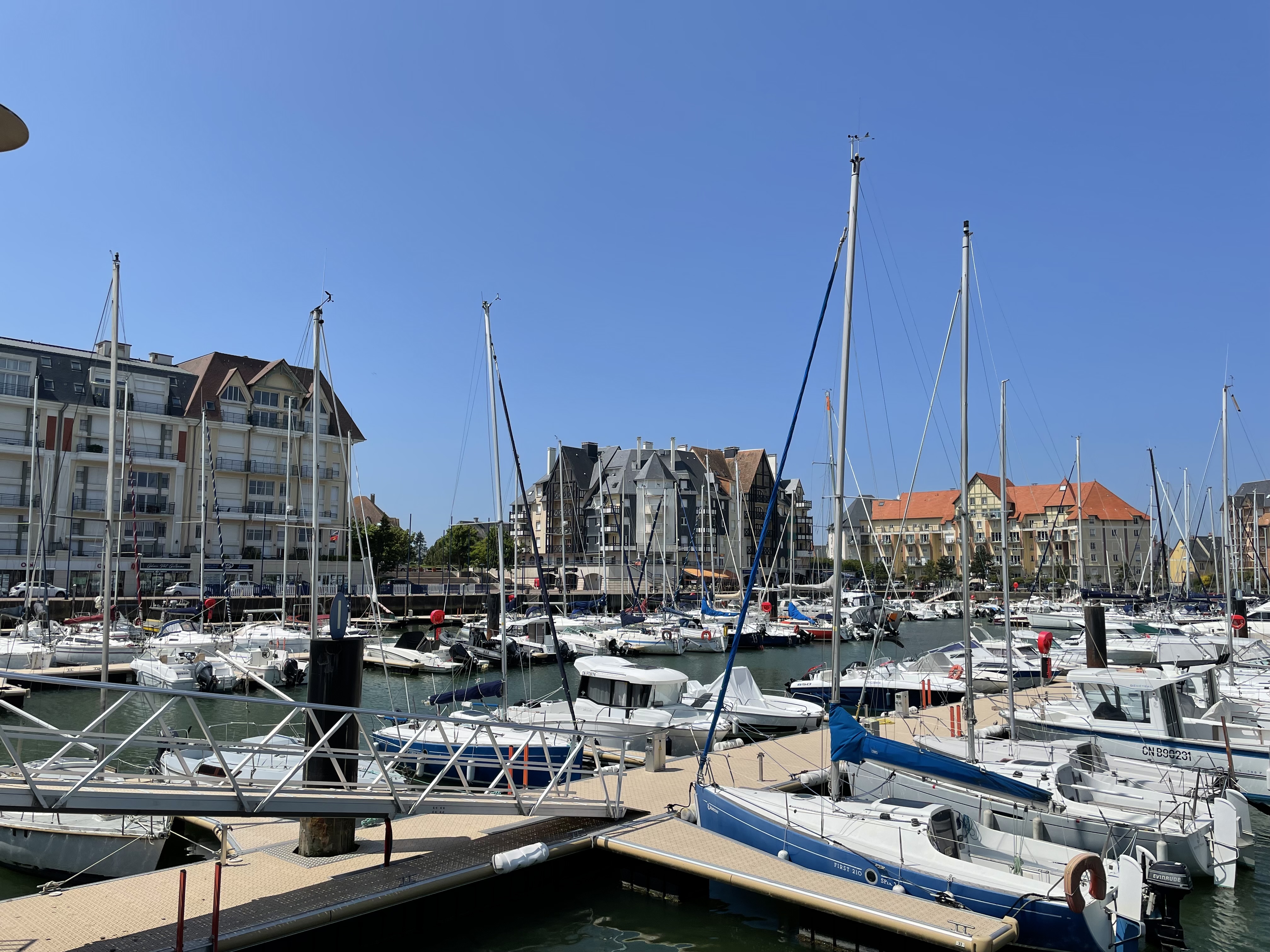
The tide was almost fully in so we walked west to Dives sur Mer. This is the place where William set off with his chums in 1066. It’s a pretty nondescript place these days. A large marina has been built on the site of a metal works that closed in the 1960s, but seemed a little soulless. The town centre felt the same.

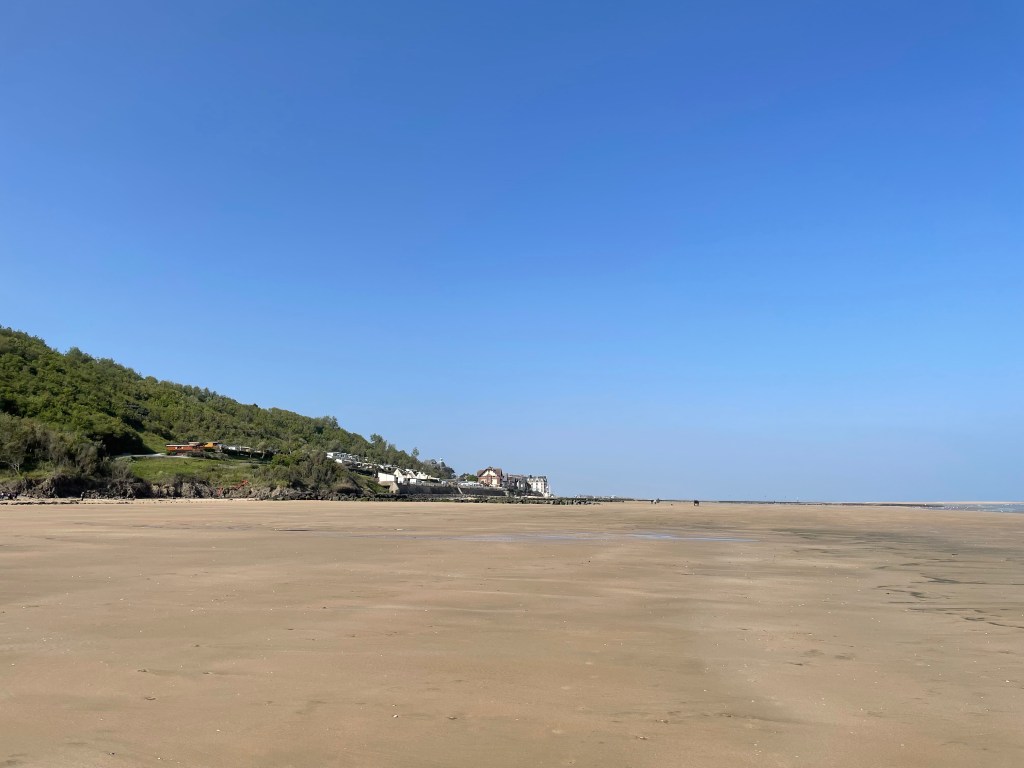
We were up fairly promptly next day to make the most of the low tide as we planned to walk east, along the beach towards the next town, Villers sur Mer. It was great to walk miles along hard flat sand with the whole beach almost to ourselves. We didn’t manage to get to Villers. We were thwarted by the tide coming in more quickly than we expected so we stopped at the Falaises de Vaches Noir to look for fossils. These cliffs are made of mud and shale and are eroding away fast. It wasn’t hard to find fossils as they were almost littering the ground, all manner of mollusc shells that looked as if they had just been washed up on the last tide, but were millions of years old.

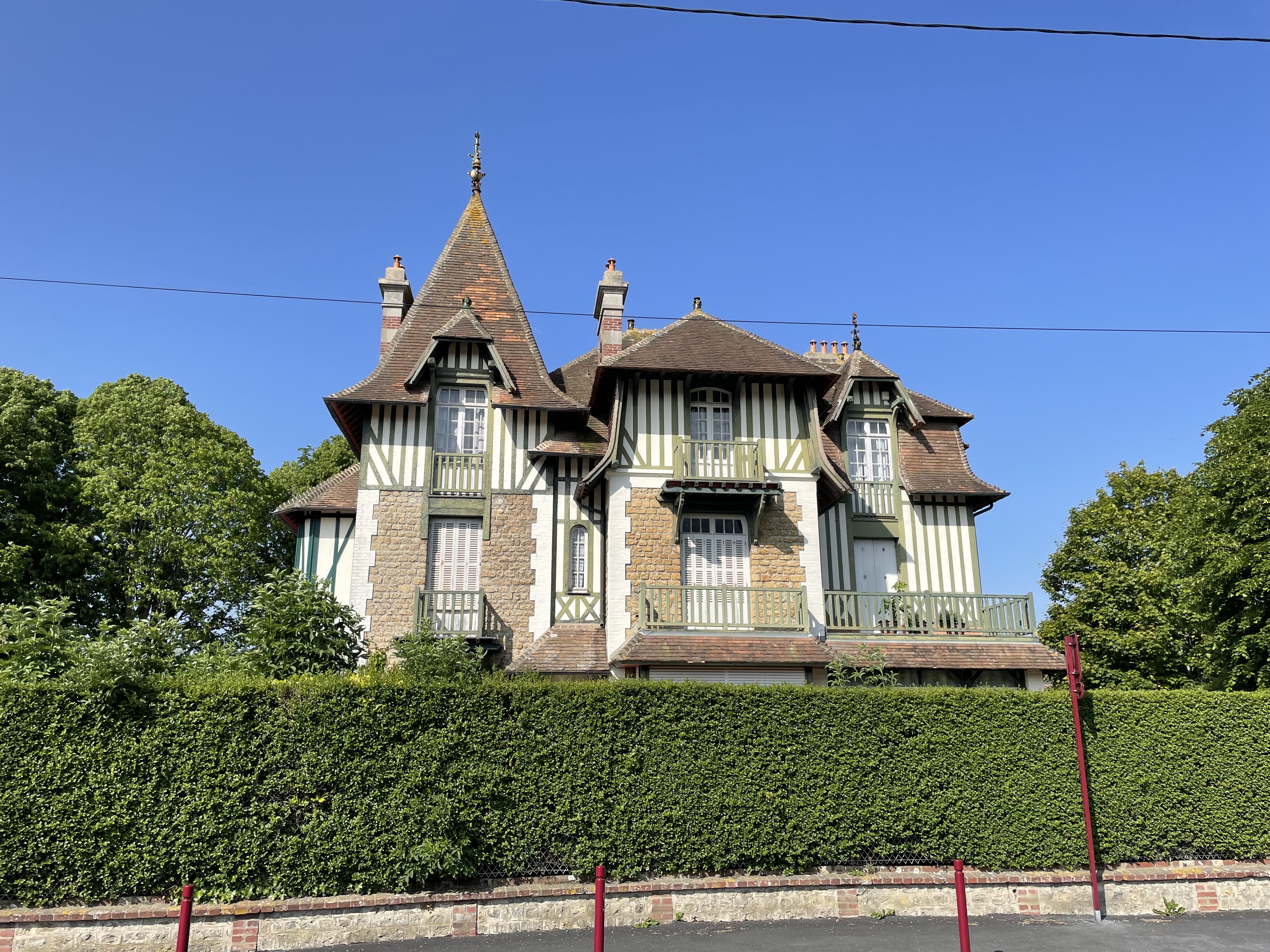
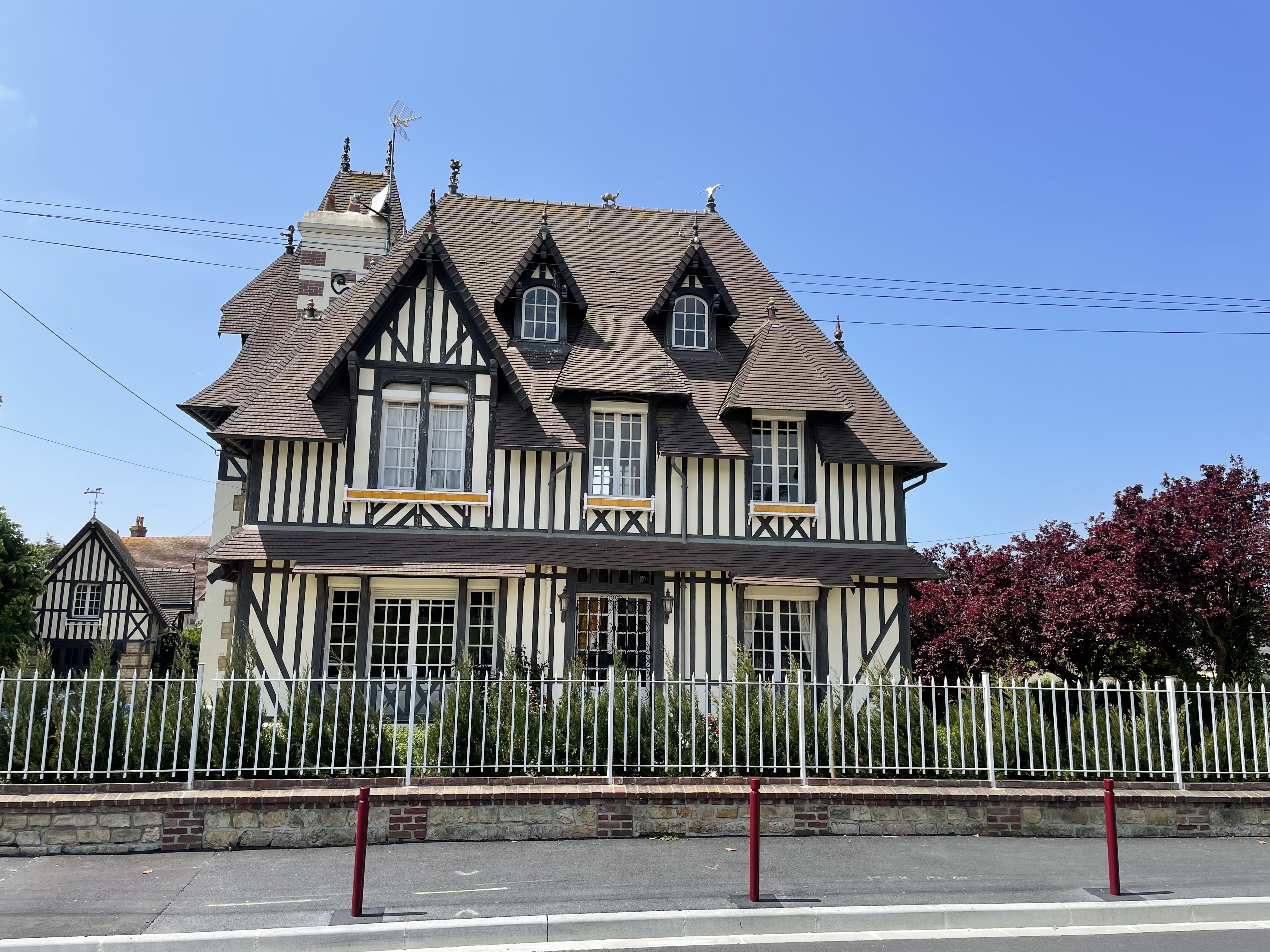
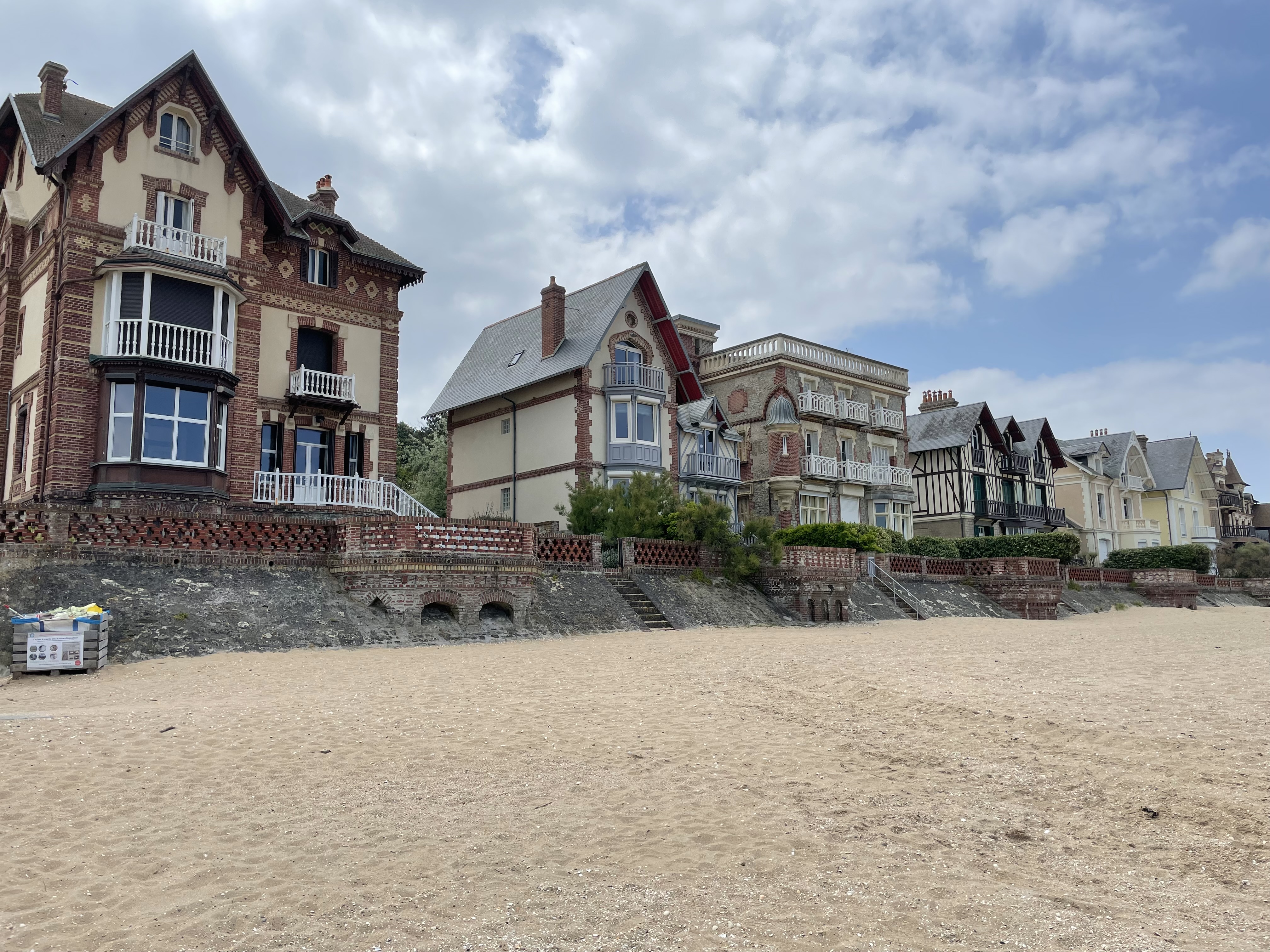
I continue to be amazed at the beautiful, if frankly eccentric belle époque buildings that line the shore and the streets parallel to it. Some of them have their old stables converted into mews cottages as big as our house.

Tomorrow we are going to dive deeper into Normandy, we are going to find the ‘Bocage’ and little Switzerland.
 semper deinceps