Sunday 8th September
Last night the wind continued until past midnight, when it passed the baton to the rain who put in a sterling effort over the next 12 hours, finally breasting the tape at noon. As the clouds went off to claim their medal the sun came out to play the National Anthem (well we aren’t to far away from Marseille). We took the opportunity to get out and explore.
The carmargue is a triangular piece of land that forms the Rhône delta. A land of salt marshes, reed beds and lots of water. Thanks to the actions of the mighty Rhône, see yesterday’s scribbling) the geography is constantly changing and lots of effort has been put into channeling the various branches of the river and the associated waterways.
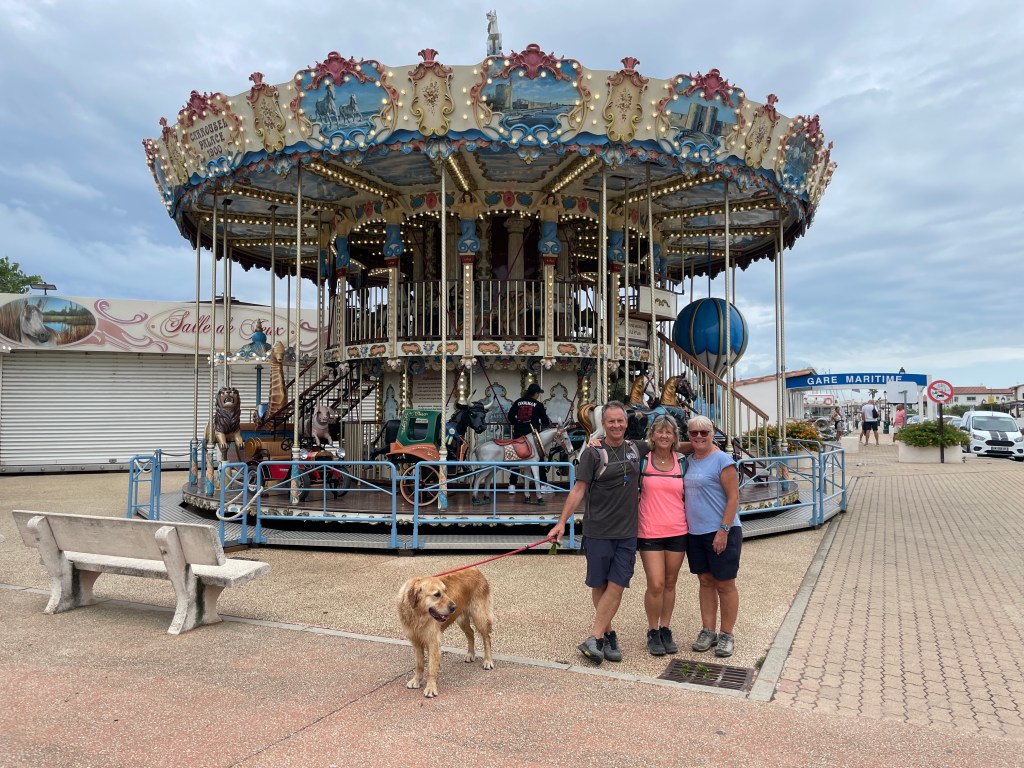
Saintes Marie de la Mer sits proudly in the middle of the Carmargue coast surrounded by lagoons on all sides. Despite this Carmargue is the second largest metropolitan commune in the whole of France (If you want to know the largest, google it or wait until tomorrow?). Most towns are happy having one saint. This place has three and sometimes four. Legend has it that Mary Magdalene (she’s the one with a bridge in Pamplona), Mary Salome and Mary Clopas (no bridges as far as I am aware, yet?) were all present at the discovery of Jesus’ empty tomb (If that wasn’t enough of a coincidence they were all nieces of Joseph of Arimathea too – think how complicated that made his life?). Anyway, they had to flee persecution in Judea and ended up landing on the beach where the town now sits. And if you don’t believe that, their bones are in a box up in the roof of the church! Every May and October the box of bones is lowered to the ground and statues of the three Marys are carried around the town and into the sea. They are joined on this watery circumnavigation by a statue of Saint Sara. Sara is said to be the three Marys’ Egyptian servant, which is a good enough reason to be sanctified I suppose. Saint Sara is revered by the Roma community and Romanies from all over France flock to take part in the festival twice a year.
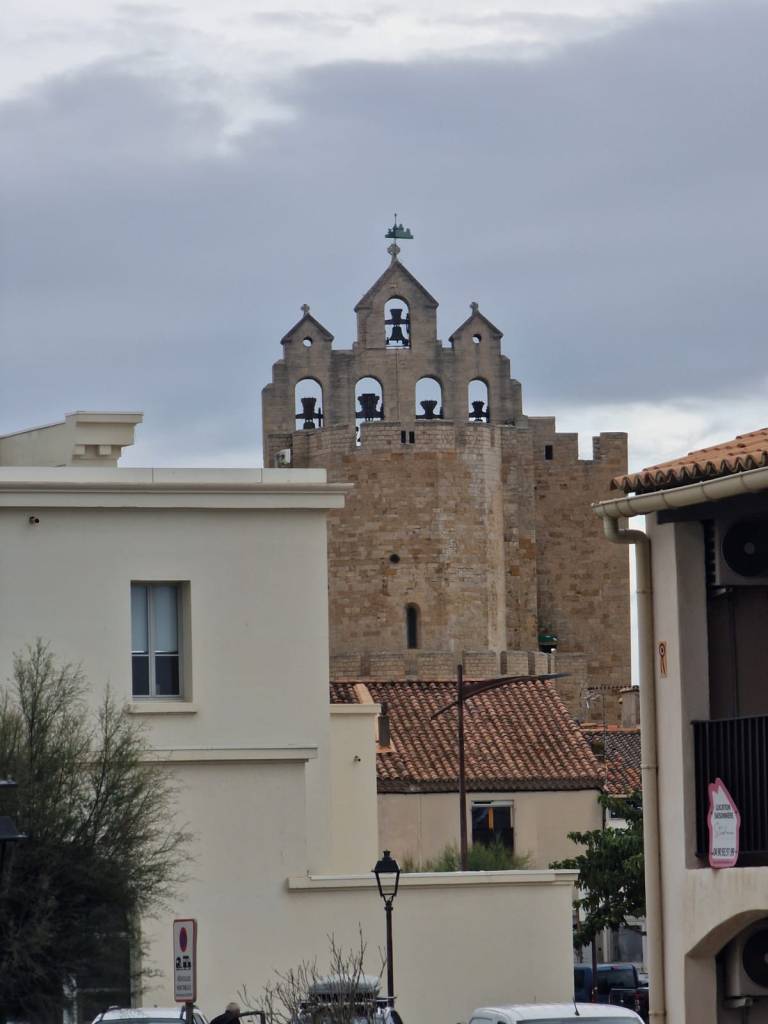
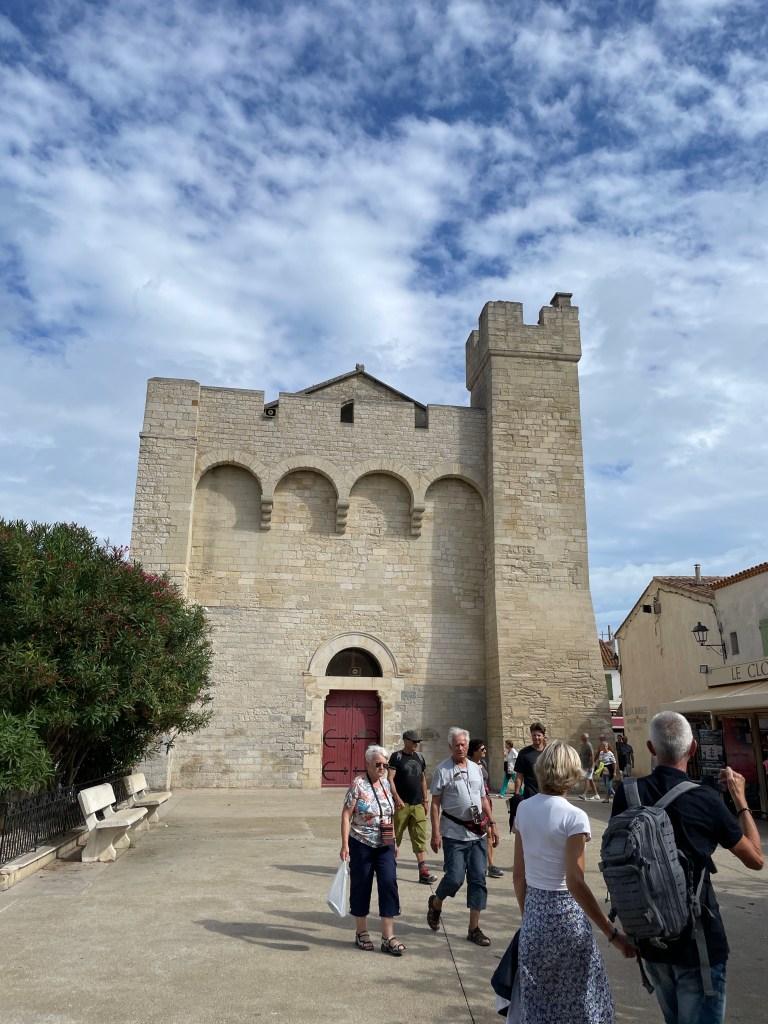

Anyway, the Church is very impressive. It is a fortress, and a church built between the ninth and twelfth centuries to defend the townsfolk against the vikings and later the saracens. Thoughtfully there is a well inside in case of sieges.
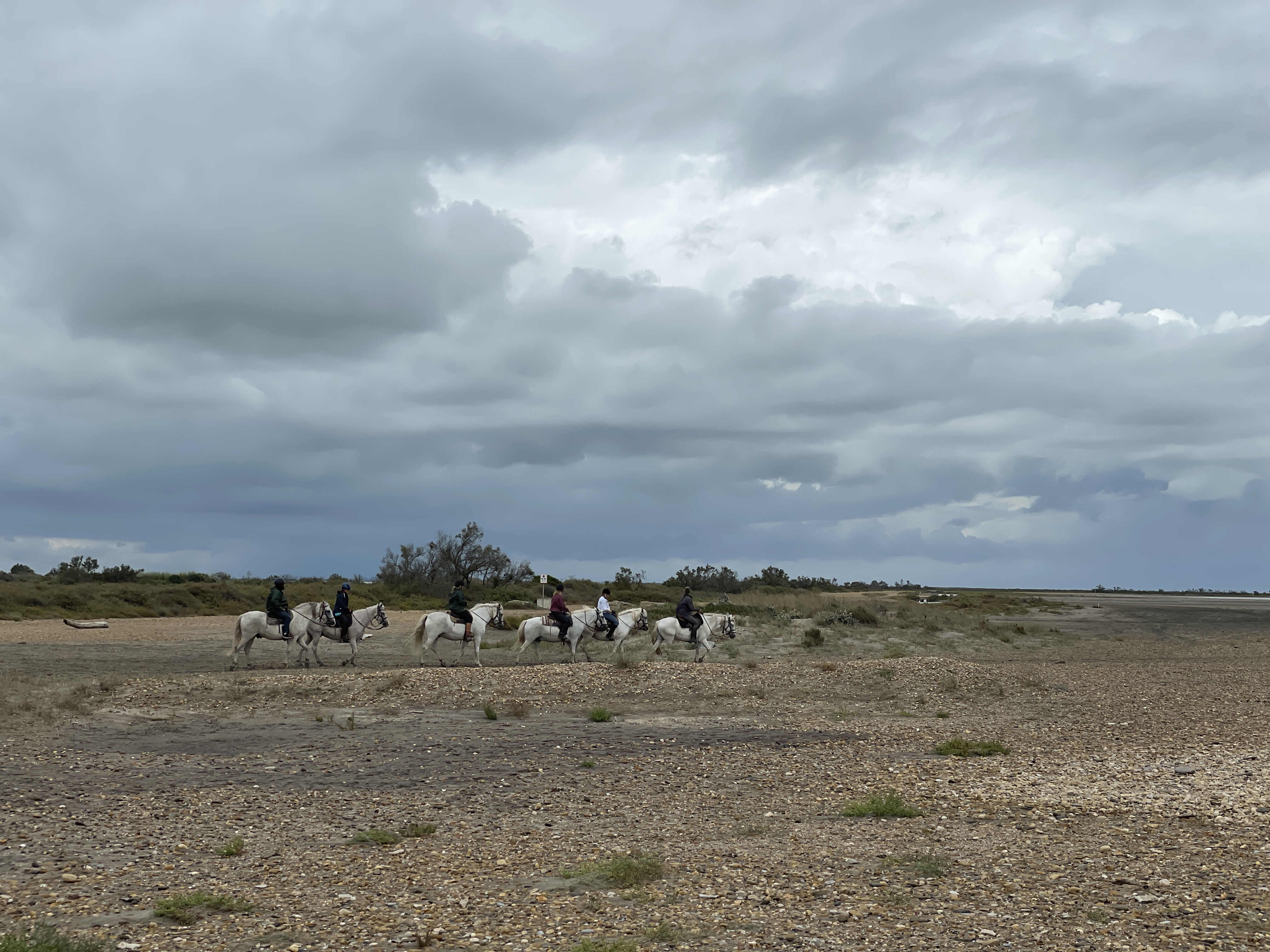
The Carmargue is famous for bulls, white horses, and flamingos. We had seen plenty of white horses corralled in small, muddy fields around the place. They looked in good condition, but their quarters were dispiriting. They are used for tourists to explore the marshes on horse back. The bulls are bred for bull fighting. The tourist office was keen to tell me that now it is not fatal for the bulls and called the course carmarguaise, where young men try to cut flowers from the horns of the bulls. I am not sure if the bulls understand how lucky they are?
And that leaves the flamingos. We were right at the end of flamingo season and many of them would be soon flying off to Africa for the winter. We are not easily put off so we walked past the delights of Saintes Marie and on to a track that led across the marshes to some large lagoons, and I do mean large, as in miles across. Then we saw a faint, pink blur on the horizon and through Andy’s telephoto lens could just about make them out to be flamingos. That looked as if it was the best view we were were going to get until around a corner of marsh we saw five, shovelling through the silt for all their worth. It was a marvellous sight and then a couple of people ahead of us spooked them and we were treated to a vibrant pink fly past as they sought a more secluded spot away from prying eyes.
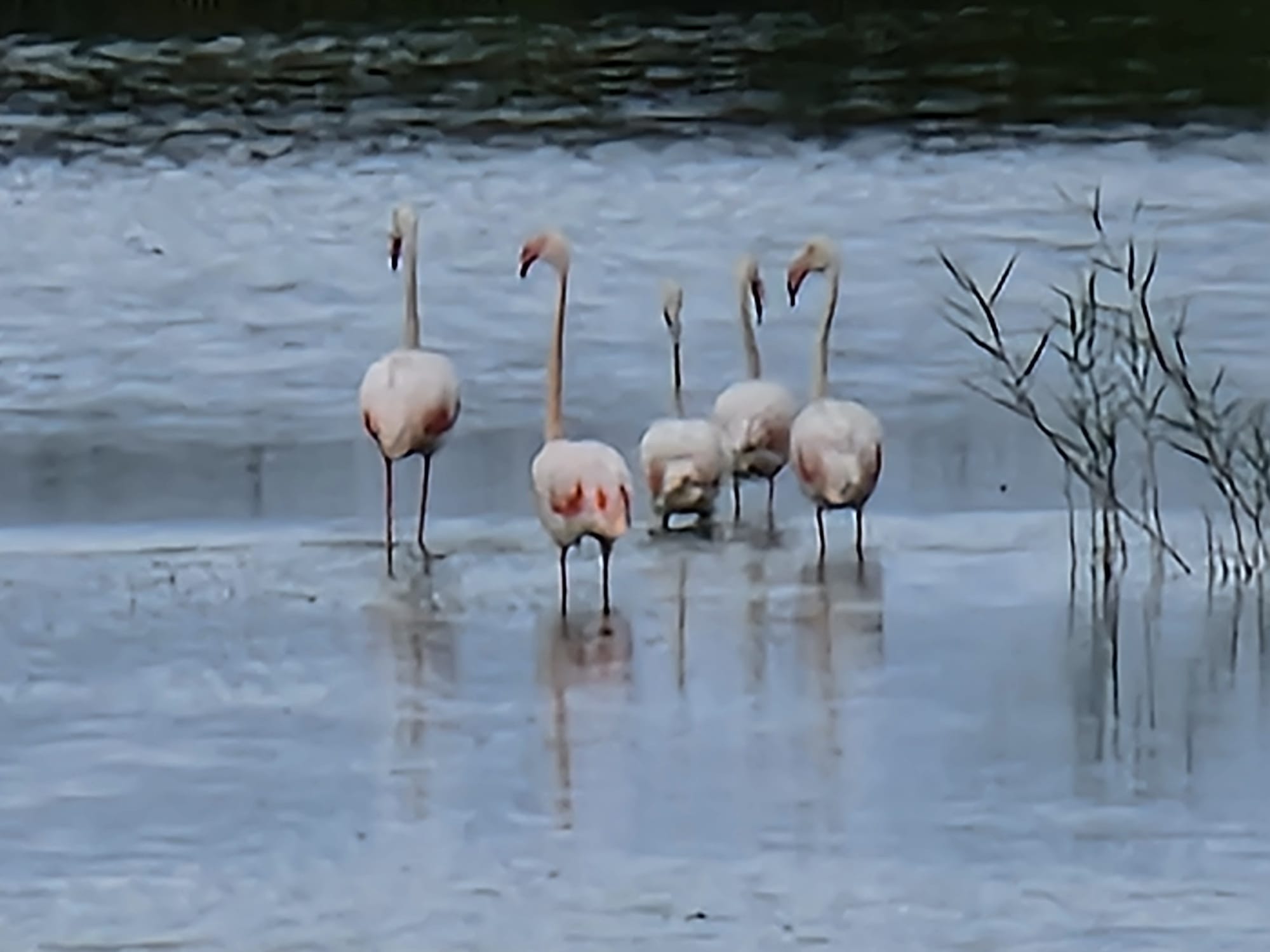
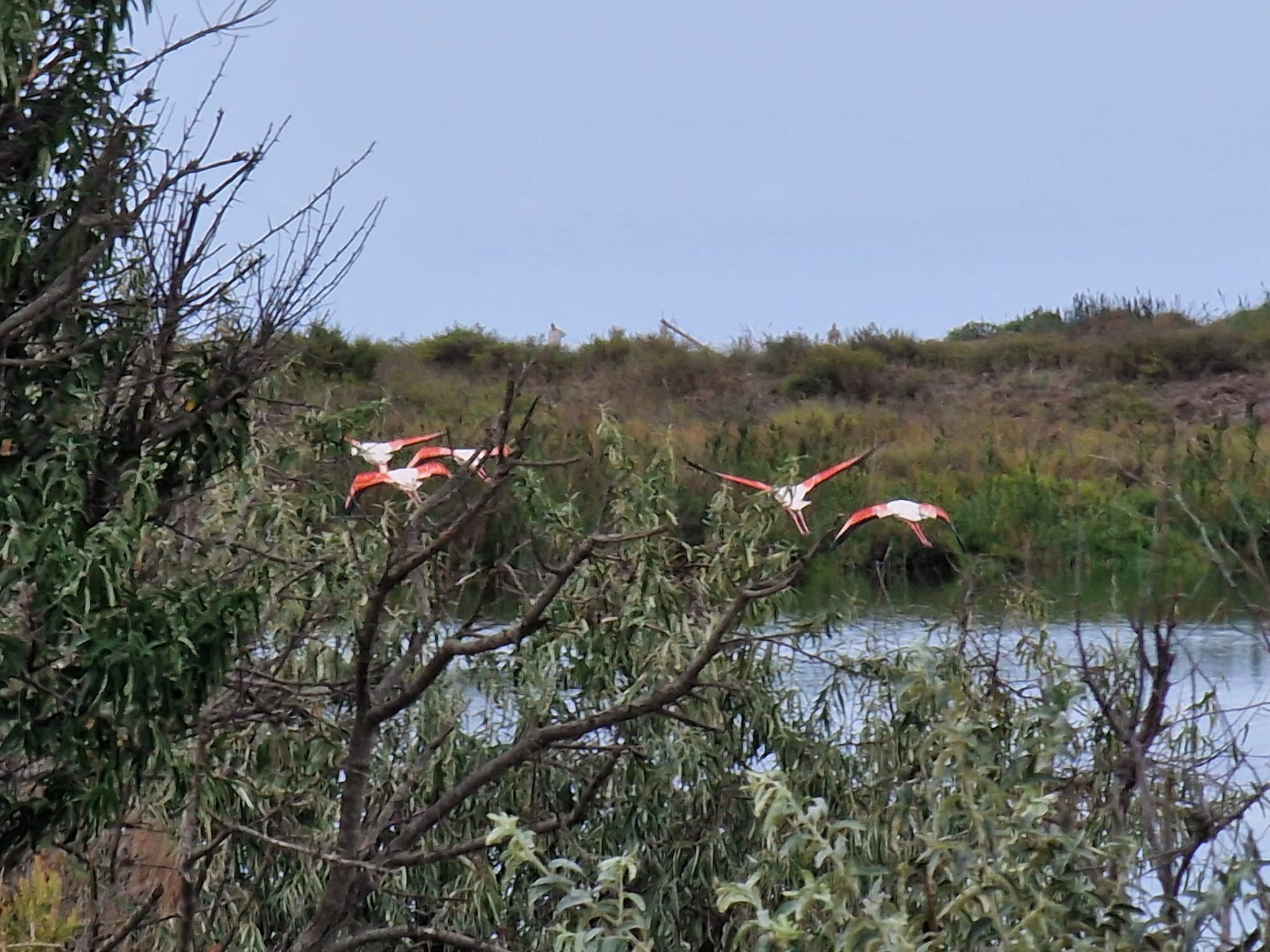
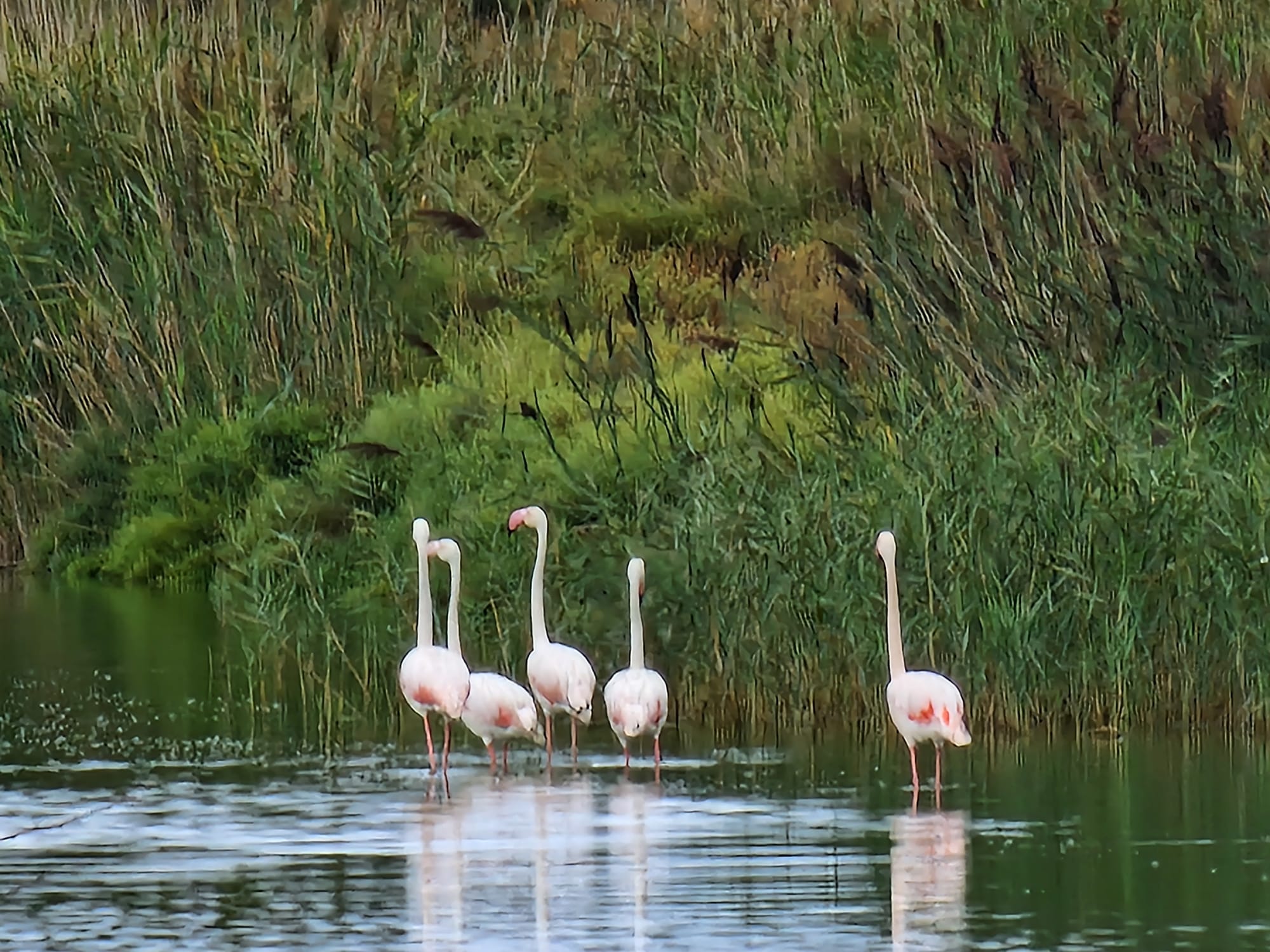
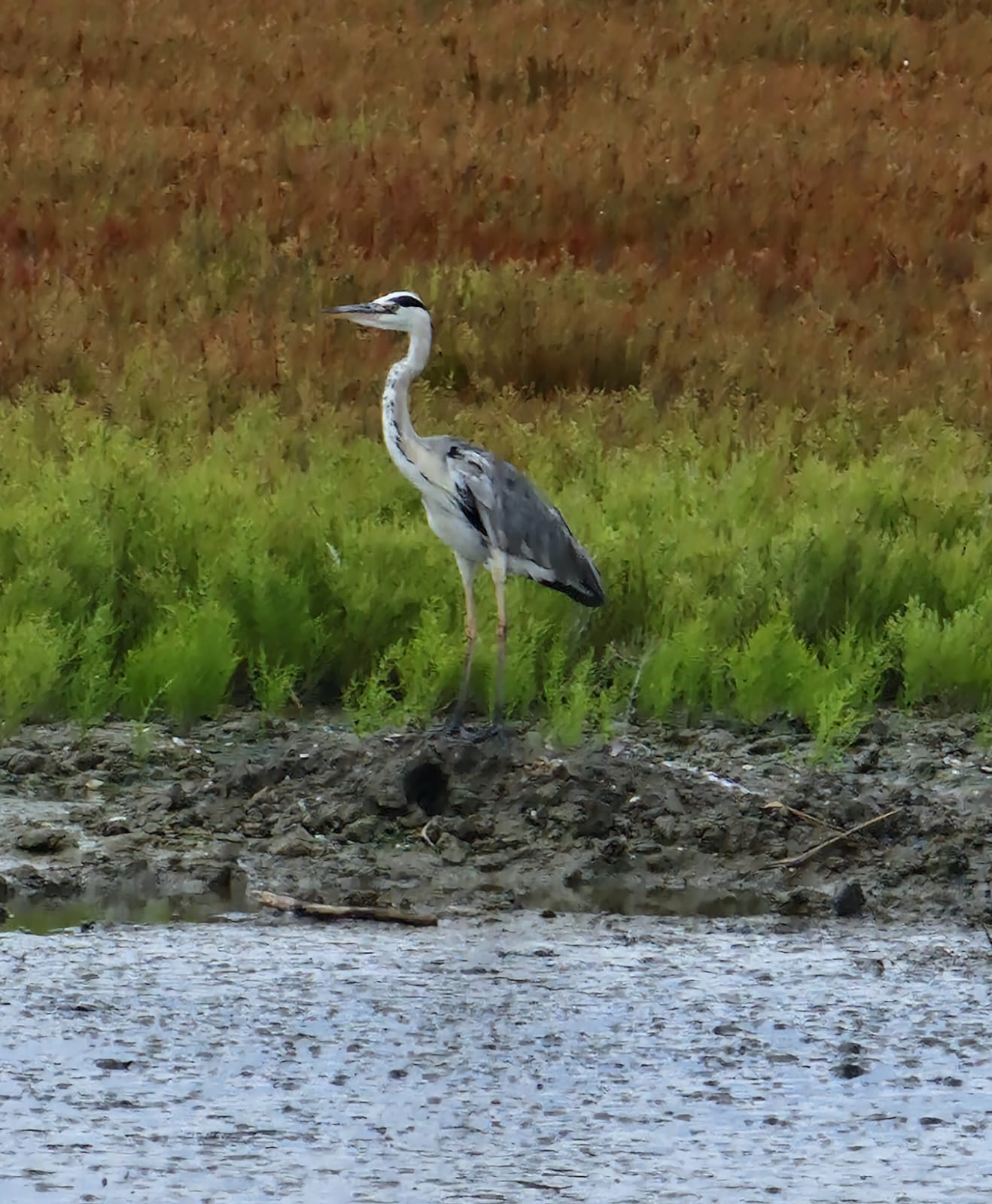
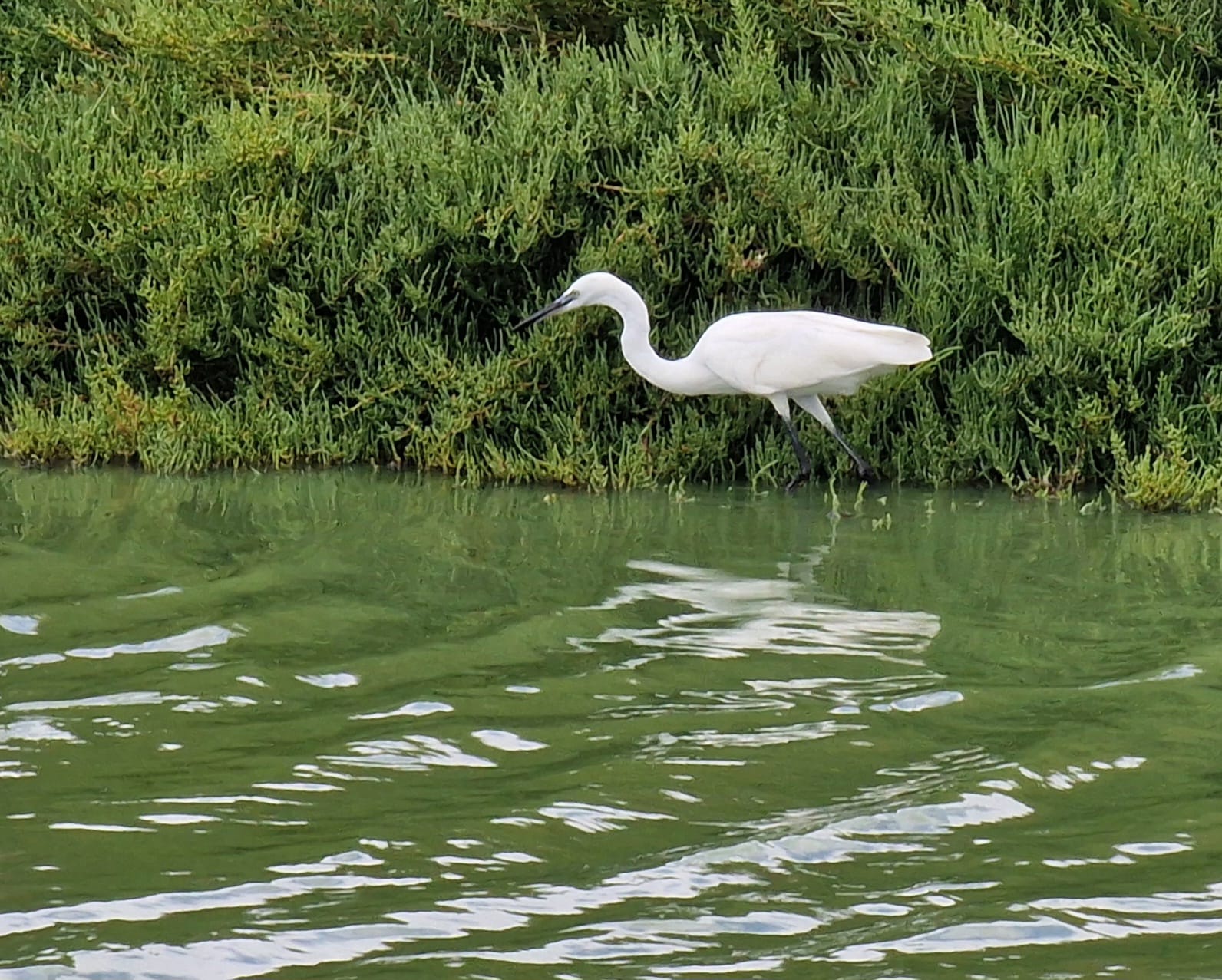
Seeing flamingos in the wild was such an exotic sight that it put our discoveries of white egrets, herons and cormorants in the shade. So carried away were we with the excitement of the flamingos, that we didn’t realise we ate our late lunch just metres away from the canal de Vitesse, the site of the windsurfing world speed record in 2009, a formidable 49.09kts!

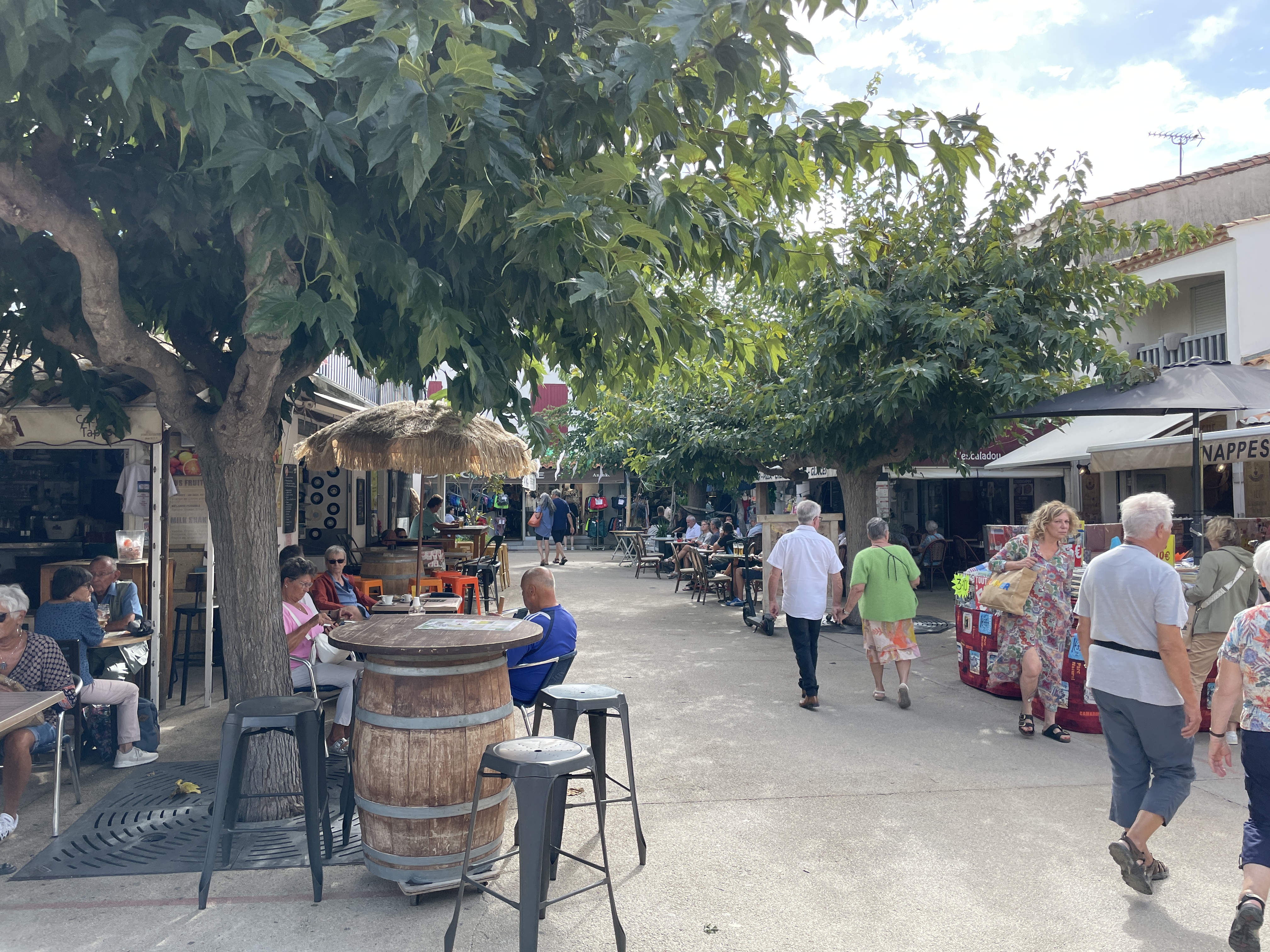
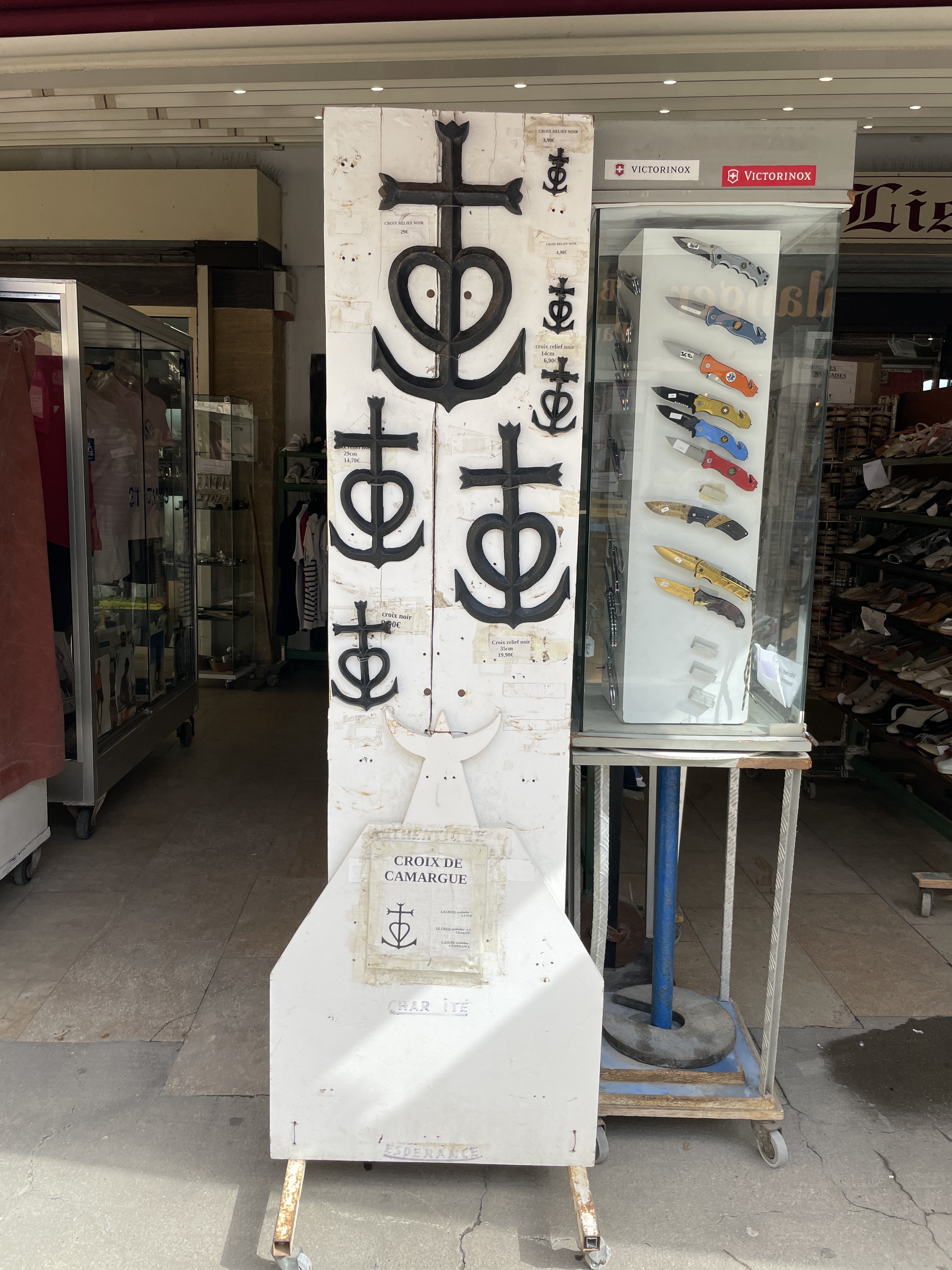
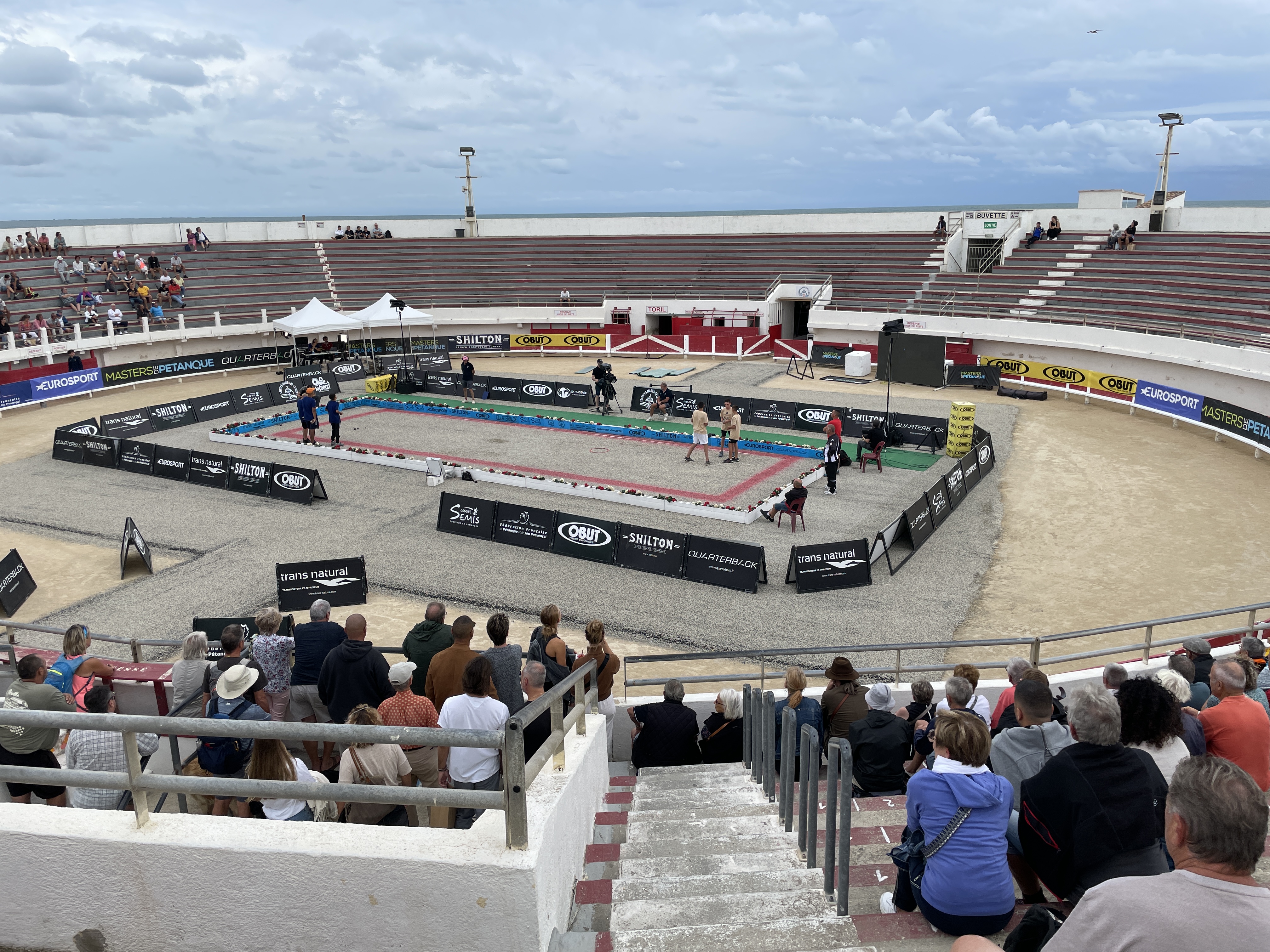
On our way back we walked through the town to have a beer in the shadow of the church and Wendy and Lesley wanted to explore the high end tourist tat shops. There were threats made of buying fluffy flamingos to hang from the rear-view mirror, which fortunately came to nothing. It is a very attractive place and has been for years. Van Gogh painted a number of pictures here in 1888. As we passed the bullring on the sea front the doors were open and a pétanque competition was taking place. It was free so we walked in and saw a junior match taking place that was being televised for Eurosport. The two teams of three lads, who looked to be about sixteen, were playing to an exceptionally high standard and we were swept up in the emotion of the match, applauding with everyone else the masterful shots. A much better use for a bullring.
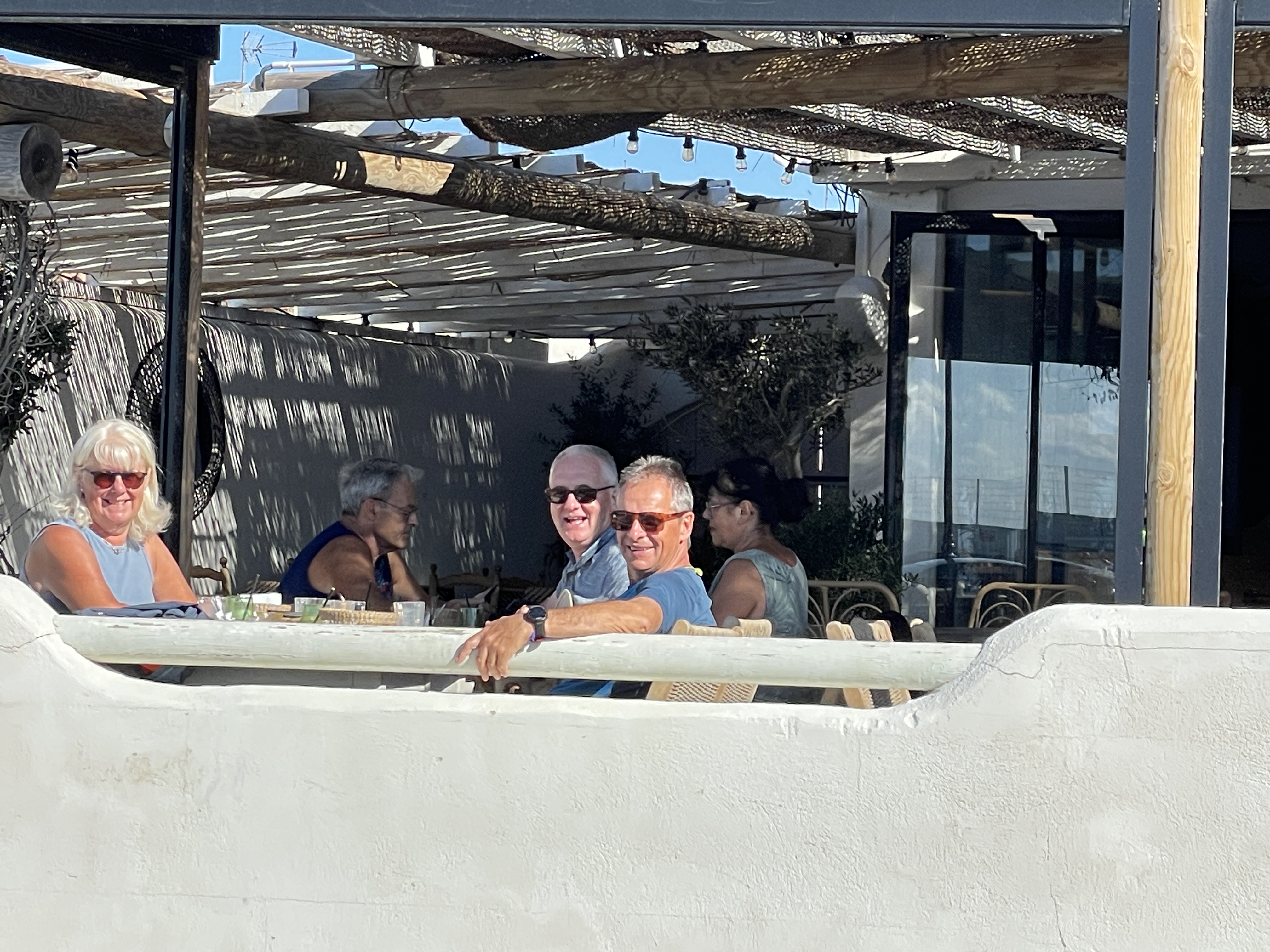
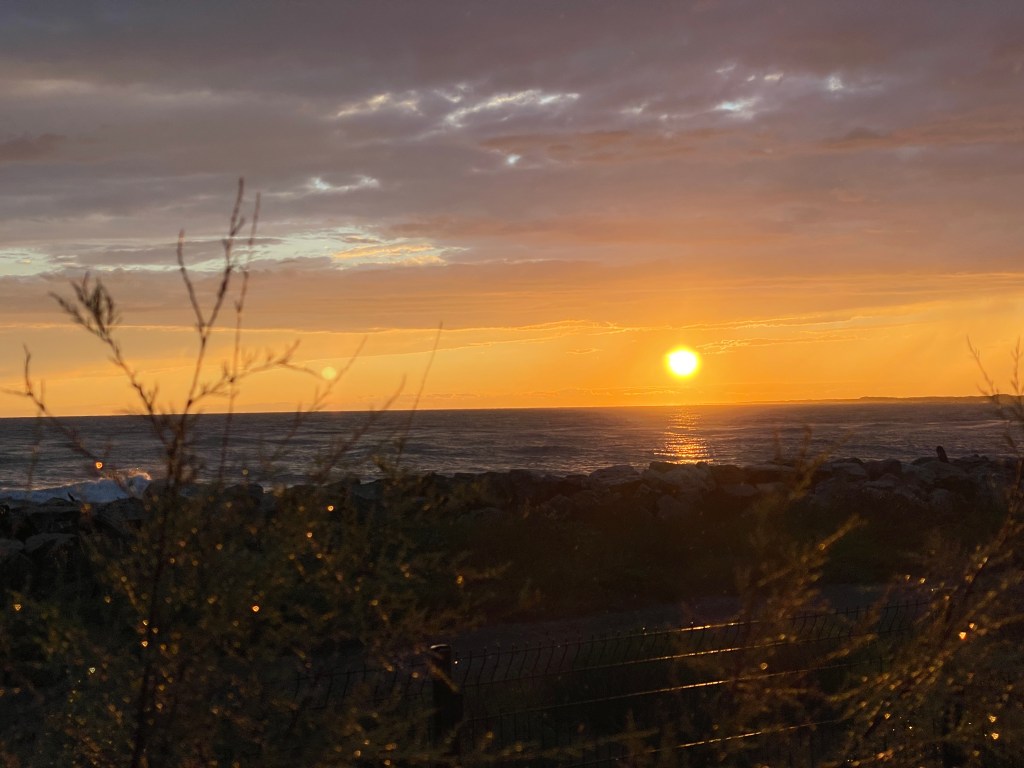
We liked Saintes Marie so much we got up early the next morning to walk along the beach into town for breakfast. As we did so we passed staff in the beach bars shovelling out bucketfuls of sand that had been washed in by the storms.
Now we are off to Arles.
 semper deinceps